Pol's Business Talks / field note
Profit Versus Cash Flow: Why a Profitable Business Can Run Short of Cash
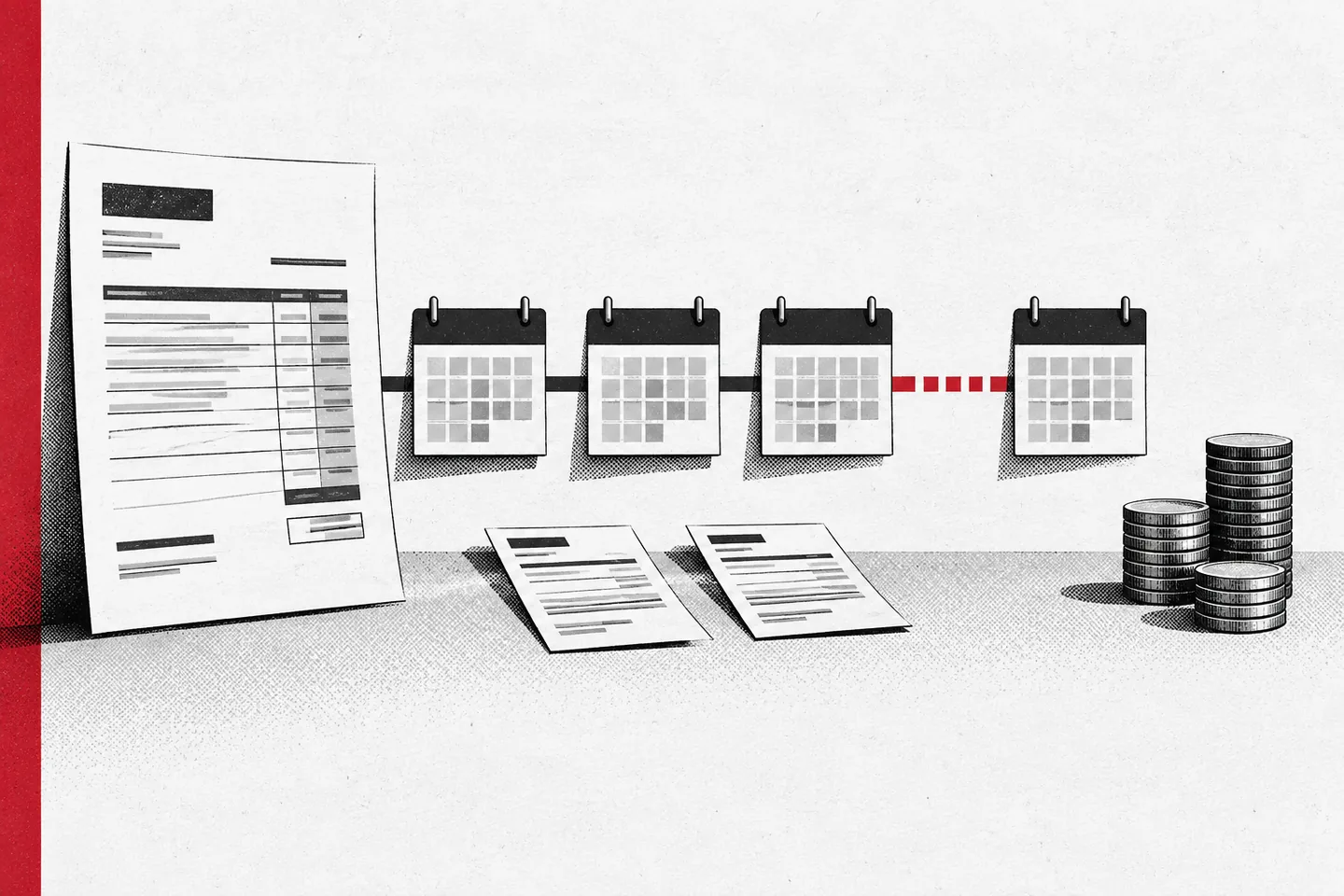
A business can finish the month with a profit and still struggle to pay a bill on Friday. The profit and loss statement records what the business earned and the expenses associated with that period. The bank balance reflects cash that has actually arrived, less payments already made. Those two views answer different questions.
For a small business, the gap often begins with an ordinary invoice. Work is completed and revenue appears in the accounts, but the customer has time to pay. Wages, rent and supplier bills may fall due first. The US Securities and Exchange Commission distinguishes an income statement, which reports earnings over a period, from a cash flow statement, which reports cash moving in and out. Reading both makes the timing visible.
How an invoice creates a cash gap
Under accrual accounting, an invoice for completed work can contribute to this month’s revenue even though the customer will pay next month. Related expenses can also appear on this month’s profit and loss statement before or after the business pays them. Profit therefore describes the result attributed to the period; it is not a count of cash available for immediate use. The SEC’s income statement guide defines net income as revenue less expenses, reinforcing that it is a measure of profit rather than a bank balance.
The distinction also works in the other direction. Paying a supplier for stock does not necessarily mean the full purchase becomes an expense in that same period; some stock may remain unsold. A cash receipt from a loan increases funds available to spend without making the business more profitable. Keep the date and reason for each cash movement separate from the period in which revenue or expense is recognised.
Bridge profit to cash from operations
To understand where the money went, start with net income and then examine changes in operating assets and liabilities. A cash flow statement commonly makes this reconciliation by adjusting net income for noncash expenses and for cash tied up in, or released from, working capital. The SEC explains this operating cash flow bridge as a way to connect reported net income with cash generated or used by operations.
Four lines are especially useful to a small owner:
- Accounts receivable: An increase means more money is owed by customers at the period end. Revenue may have raised profit, while the corresponding cash has yet to arrive. A decrease can indicate that earlier invoices were collected.
- Inventory: An increase can mean cash has been spent on goods that have not yet been sold. The purchase absorbs cash even though unsold stock is not all reflected as an expense in current profit.
- Accounts payable: An increase means more supplier costs remain unpaid. That preserves cash for now, but the bills will still need a place in a future payment forecast. A decrease often means the business paid down earlier obligations.
- Depreciation: This expense reduces reported profit without being a cash payment in the current period. It is added back when reconciling net income to operating cash flow; any cash spent buying equipment belongs in a separate cash flow category.
Here is a simplified, wholly illustrative bridge for one month. The business reports 12,000 of revenue, 5,000 of cost of sales, 4,000 of other expenses paid or payable for the period, and 500 of depreciation. Its net income is 2,500. During that month, receivables rise by 6,000, inventory rises by 1,500 and payables rise by 2,000.
In this illustrative month, start with net income of 2,500. Add back 500 of depreciation; subtract 6,000 for higher receivables and 1,500 for higher inventory; then add 2,000 for higher payables. The result is 2,500 of cash used by operations despite positive net income.
Check the receivables increase against the oldest unpaid invoices: one large overdue account may matter more than several recent ones. Compare the inventory increase with actual stock on hand before assuming it will turn into cash soon. This bridge covers operations only. Equipment purchases, borrowing and loan principal payments belong in other cash flow categories and still affect the bank balance.
Turn the gap into a weekly forecast
A monthly profit figure cannot show whether cash runs short in the third week. A short forecast can. The FDIC’s small business financial management guide describes a cash flow projection as expected receipts and payments over a future period and notes that a profitable business can still run out of cash. Its sample projection lists customer collections and inventory purchases separately, so their timing is visible.
Start with the cash genuinely available at the beginning of each week. Enter expected customer receipts on the dates they are likely to clear, then list payments by due date. Include routine items and less frequent commitments rather than spreading a large bill evenly across the month. The next week’s opening balance is the previous week’s projected closing balance.
Use the bank balance as the starting point, then account for payments already instructed but not yet cleared. Check the invoice list for collection dates and the bills list for obligations that will fall due. Put payroll, rent, tax and loan repayments in the week they must be paid where they apply. Keep a separate note of uncertain receipts so a single optimistic assumption cannot hide a shortfall. Compare each forecast with the actual closing balance before updating the next week.
- Week one: Opening cash of 2,500, receipts of 600 and payments of 1,800 leave 1,300.
- Week two: Another 600 arrives and 1,500 is due, leaving 400.
- Week three: Receipts of 600 and payments of 1,800 produce a projected 800 shortfall.
- Week four: A 6,000 receipt and 1,500 of payments improve the forecast, but arrive too late to meet the week-three obligation.
The negative 800 in week three is a projected shortfall, not a suggestion that the business can simply pay bills from a negative balance. It identifies a decision point before that week arrives. The owner can check whether the invoice date and customer’s likely payment date are reliable, review which bills are fixed and due, and discuss any changes to payment timing with the people involved. The week-four receipt cannot pay a week-three obligation unless the business has another source of cash in the meantime.
Make the forecast conservative about uncertain receipts. A due date is not proof of payment: label an amount as confirmed, expected or uncertain, and update it when the customer pays. If the 6,000 arrives a week later than forecast, move it to week five and recalculate every intervening closing balance. This simple change shows how much room the business needs to cover its commitments while it waits.
A short weekly check
At the same time each week, compare the forecast’s opening balance with the bank balance and explain any difference. Mark invoices as paid only when the money clears. Add newly issued bills and check whether existing payment dates have changed. Review the lowest projected balance, not just the month-end figure: an end-of-month receipt cannot fix an earlier shortfall. Where the forecast shows a gap, identify the specific receipt or payment involved and resolve its timing before the due date. Keep the previous forecast so changes in assumptions remain visible.